Chena Hot Springs

Chena Hot Springs is a commercial resort on the Yukon-Tanana Plateau, about fifty miles northeast of Fairbanks in Fairbanks North Star Borough. The road goes right to it. A lodge sits on the site with outdoor soaking pools and a rock-lined warm lake that only adults may use. There is a glassed-in indoor pool too, kept at swimming temperature. The whole place runs on a geothermal power plant next door, and the source water is scalding.
This is roadside. You park and you are there. The country is Interior plateau, a little over a thousand feet up, and the climate is cold and dry. The year averages below freezing. Snow is modest, a few feet, and rain is scarce. Salcha is the nearest town named, some forty-four miles off. Cripple Creek Campground is the closest campground listed, about twenty-three miles away.
The record favors December through February, which suits a resort built around hot water in cold air. Stay in the developed pools; the raw source will scald. Public access and fees are not stated on the record, but the Wikipedia description makes it a lodge, so plan on paying. The water chemistry on file is from 1958.
A USGS monitoring site exists here, sampled in July 1958. Wikipedia records the adjoining community of Chena Hot Springs and the geothermal plant that powers the lodge.
USGS hasn't flown a detailed laser scan here yet, so this view comes from aerial photos and older elevation data.
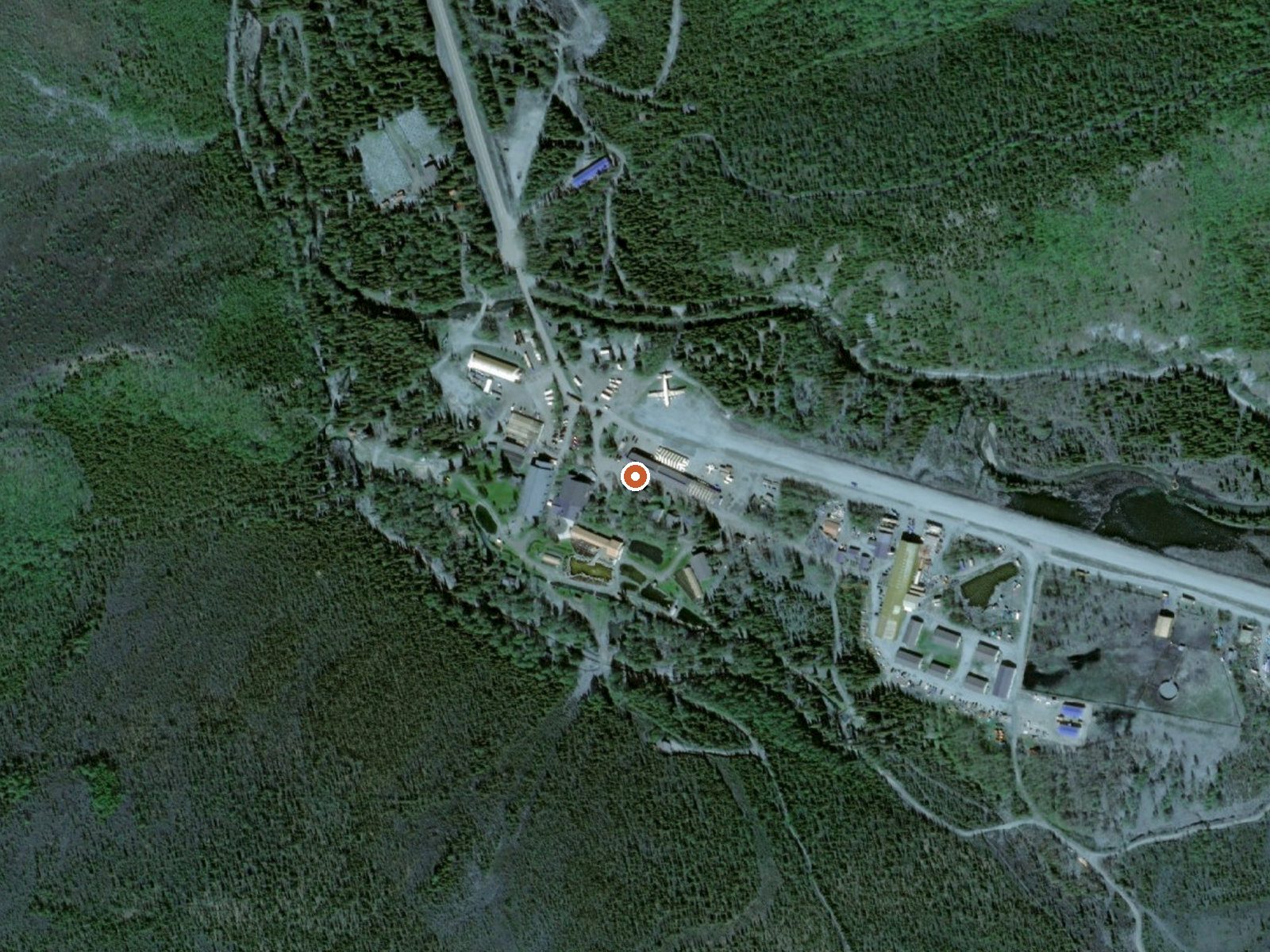
The orange dot marks the spring, in a frame about three quarters of a mile wide.
- Setting
- Hillside
- The spring sits on a steep slope that climbs to the southwest.
- Highest ground nearby
- 280 ft above the spring
- Within a quarter mile, to the southwest
A slice through the ground from south to north, about 0.6 miles end to end.
Elevation data: USGS 3D Elevation Program. Aerial imagery: USGS The National Map. Public domain.
The water at Chena Hot Springs is slightly alkaline (pH 8.1) with 388 mg/L total dissolved solids.
Some links are affiliate links. We may earn a commission at no extra cost to you.
Located at milepost 60 of the Steese Highway, Cripple Creek Campground has 12 first come first served universal design campsites, as well as 6 walk-in campsites. The campground also has a riverside day use area with fishing access along the Chatanika River. Winding through tall white spruce trees along the river between the day use area and the campground is a short interpretive trail for visitors. A class I-II float trip to the Upper Chatanika State Recreation Site at milepost 39 is approx...
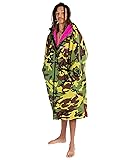
Chena Hot Springs is road-accessible, so you can bring more gear. The water is dangerously hot, so bring water shoes and test pools carefully. Cold air temperatures make a changing robe or warm layers essential.




As an Amazon Associate, we earn from qualifying purchases.