Andersons Pasture Springs
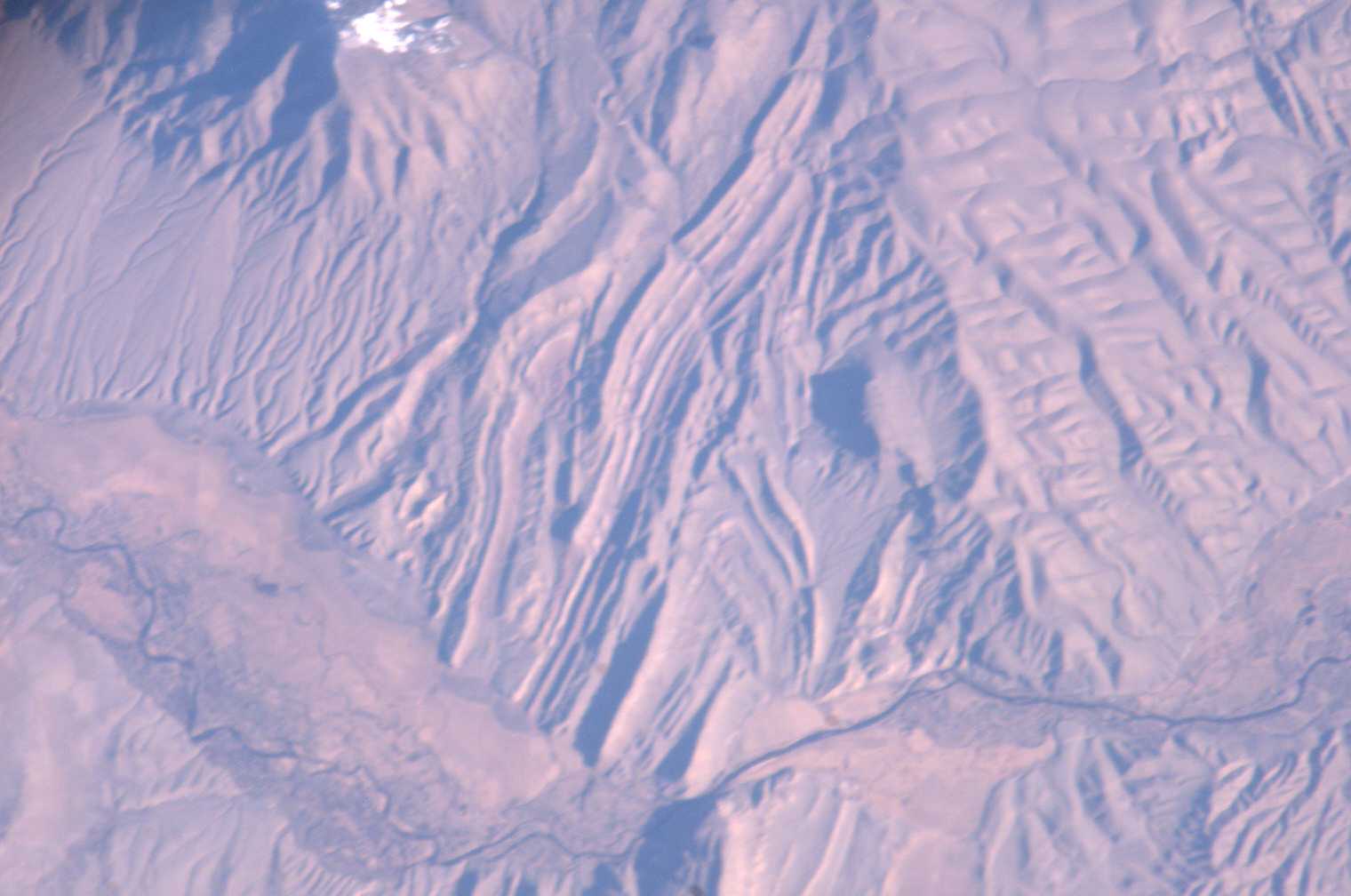
Out in the Gravelly Range country of Madison County, Montana, Andersons Pasture Springs is a warm spring a long way from anywhere. Virginia City is the closest town anyone lists, about forty miles off. The water comes up tepid, enough to register on your hand and nowhere near a soak. No owner appears, and access has never been settled. Until somebody learns more it stays a thermal point on a map.
The spring sits at high elevation, with Gravelly Range Road passing about half a mile away. Reaching it means a short walk off that road. Winters here are long and snowy, the kind that bury a place for months, and the year is reasonably wet by Montana standards. Average temperatures stay cold.
The months flagged as best on the record are December through February, which with this much snow means the road itself may be a problem. Most people would find summer easier. West Fork Cabin, around seven miles away, is the camp on file. The temperature comes from a 1977 survey, so it may have changed. Check land status before you go.
Aircraft with laser scanners measured this ground to within inches. The scan strips out trees and buildings, leaving the bare shape of the land around Andersons Pasture Springs.
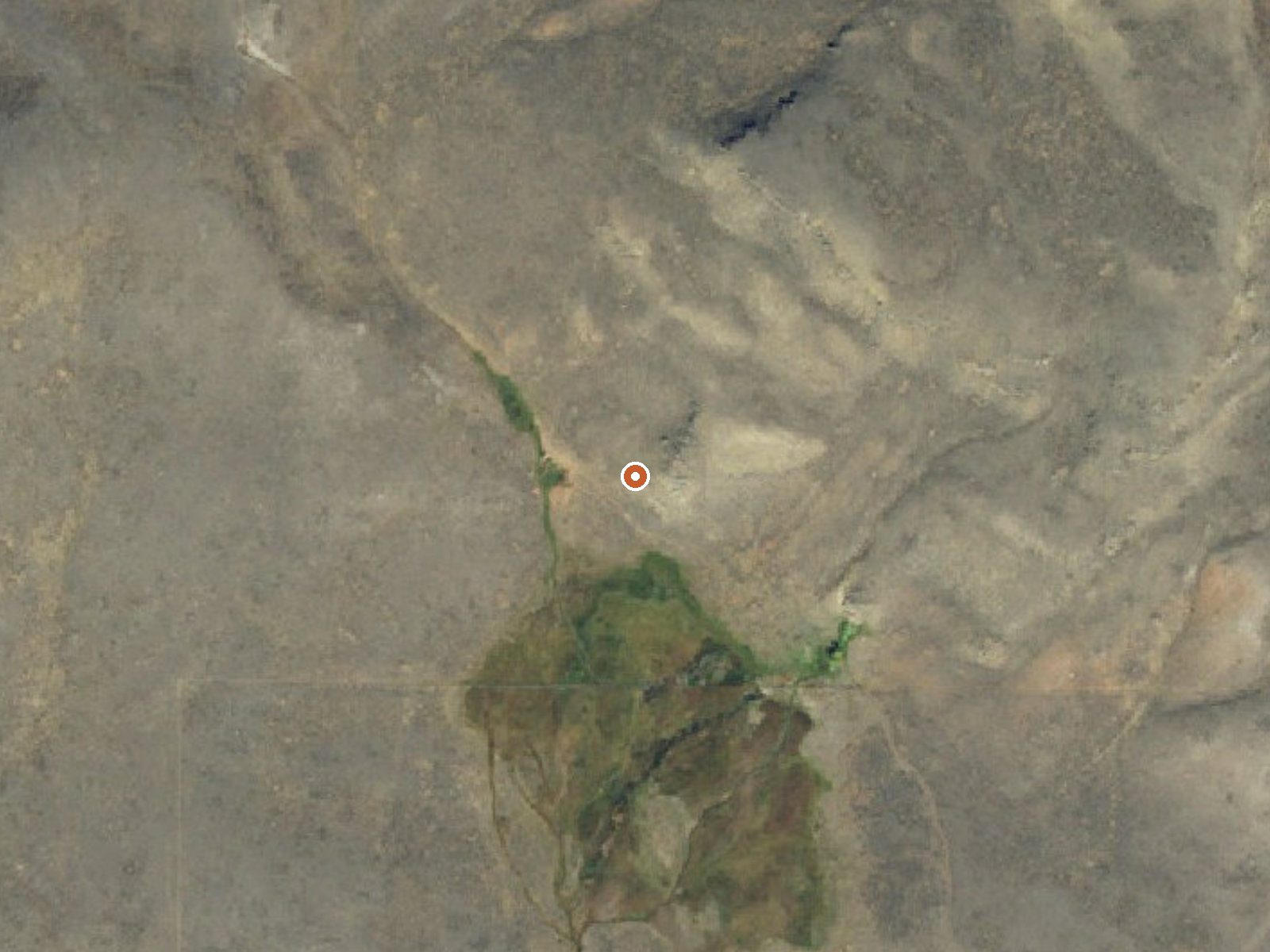
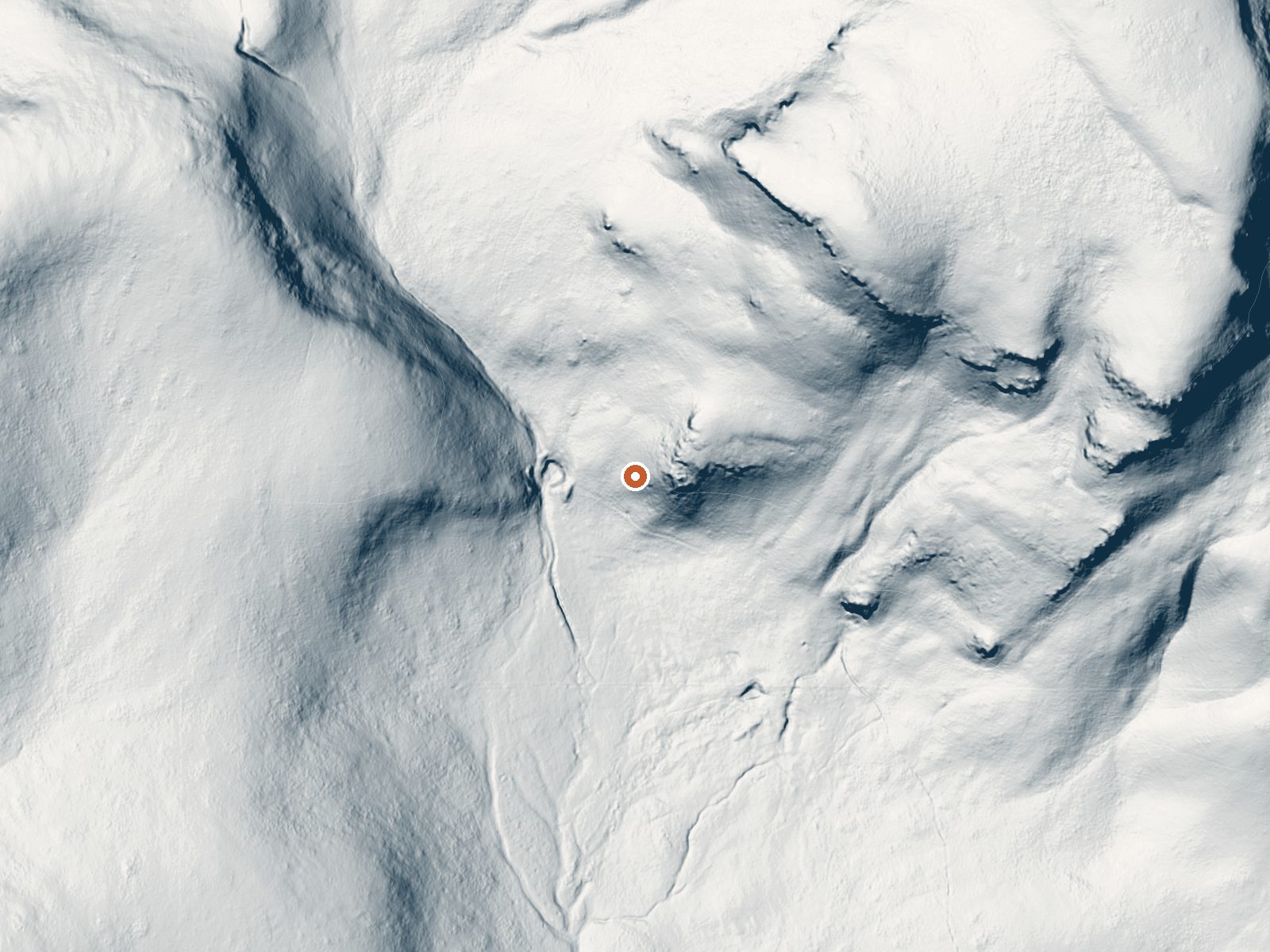
Drag the handle to compare the two views. The orange dot marks the spring, in a frame about three quarters of a mile wide.
- Setting
- Hillside
- The spring sits on a steep slope that climbs to the northeast.
- Highest ground nearby
- 357 ft above the spring
- Within a quarter mile, to the northeast
A slice through the ground from west to east, about 0.6 miles end to end.
Elevation data: USGS 3D Elevation Program. Aerial imagery: USGS The National Map. Public domain.
That's about twice the US average of 65. It's higher than at 67% of the springs on this site.
Heat flow measures the warmth working its way up through the ground from deep inside the earth. Where it runs high, rain and snowmelt that seep down through cracks in the rock come back up hot.
See every spring on the geothermal heat map →
Heat flow estimate: Stanford Thermal Earth Model (Aljubran & Horne, 2024), CC BY 4.0.
The water at Andersons Pasture Springs is slightly alkaline (pH 7.4).
Some links are affiliate links. We may earn a commission at no extra cost to you.
Overview West Fork Cabin is a small, secluded cabin in the mountains of southwestern Montana, located high in the Gravelly Range. The cabin was built in 1928 as an intermediate station for patrolling grazing allotments. The area is home to a variety of wildlife and offers numerous trails for hikers, equestrians and off-road vehicle riders during warmer months and snowmobilers in the winter. The cabin is available from July 1 through March 31. It can typically be accessed by vehicle; however...
Andersons Pasture Springs sits at 6,840 feet above sea level, way above the mile-high mark. You may not feel the altitude strongly, but hot water still dehydrates you faster at elevation. UV is about 27% stronger than at sea level, so bring sunscreen and drink more water than you normally would.



As an Amazon Associate, we earn from qualifying purchases.
Andersons Pasture Springs is road-accessible, so you can bring more gear. Cold air temperatures make a changing robe or warm layers essential.





As an Amazon Associate, we earn from qualifying purchases.
Springs Near Andersons Pasture Springs
More Springs Around 82°F
Slightly Alkaline Springs (pH ~7.4)
Hike 6 waterfalls near Andersons Pasture Springs
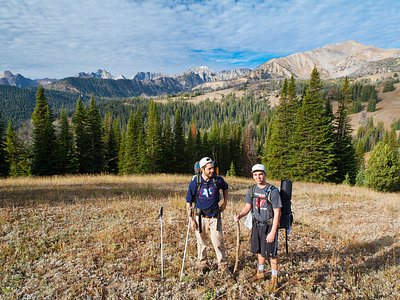
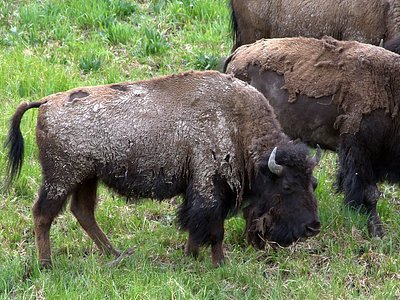
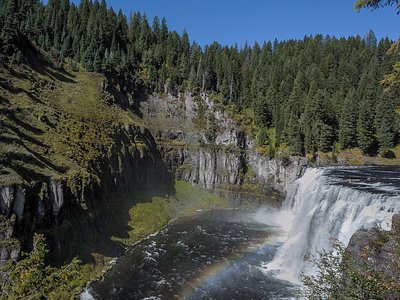
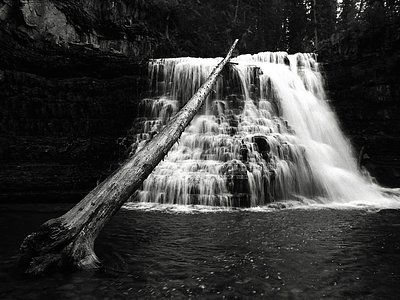
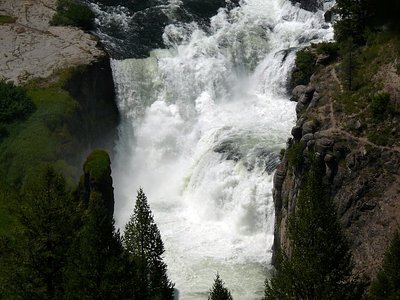
Looking for more outdoor adventures? Explore waterfall hikes near Andersons Pasture Springs, Montana.