Saratoga Hot Springs
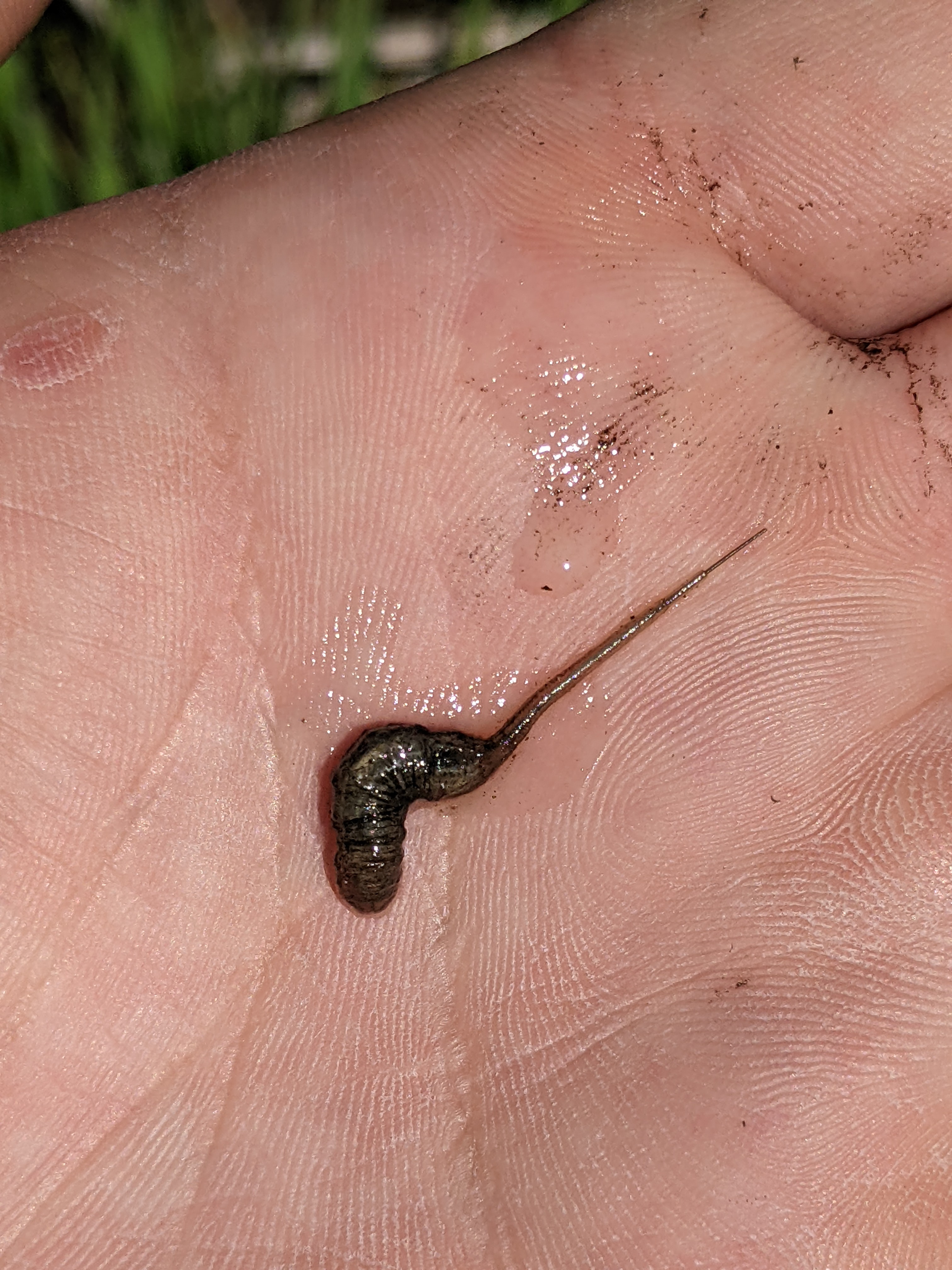
Saratoga Hot Springs in Utah County sits within a mile of the town of Saratoga Springs. The water is hot, a few degrees past the point where most people want to get in. A 1966 sample found it fairly mineralized, with sodium and chloride prominent. Who owns the ground and if the public may use it are not on file, and the history says this was resort property for over a century.
South Saratoga Drive passes within about eighty feet, so this is a drive-up spot on the edge of a growing town. Elevation is around forty-five hundred feet, valley floor for this part of Utah. Winter snow runs a bit over three feet in an average year and the climate is dry by most standards. No land is on record.
Midwinter is the season the record favors. Access is roadside but no public access is on record, so check before you treat it as open. The water is hot enough to scald if you linger at the source, so test it carefully. Little Mill is the campground on record, about fourteen miles out. The chemistry is sixty years old.
The spring was the basis of Beck's Saratoga Springs, also called Beck's Saratoga Hot Springs or Saratoga Resort, which operated on the north shore of Utah Lake from 1882 until 1993. The town of Saratoga Springs now covers the site.
Aircraft with laser scanners measured this ground to within inches. The scan strips out trees and buildings, leaving the bare shape of the land around Saratoga Hot Springs.
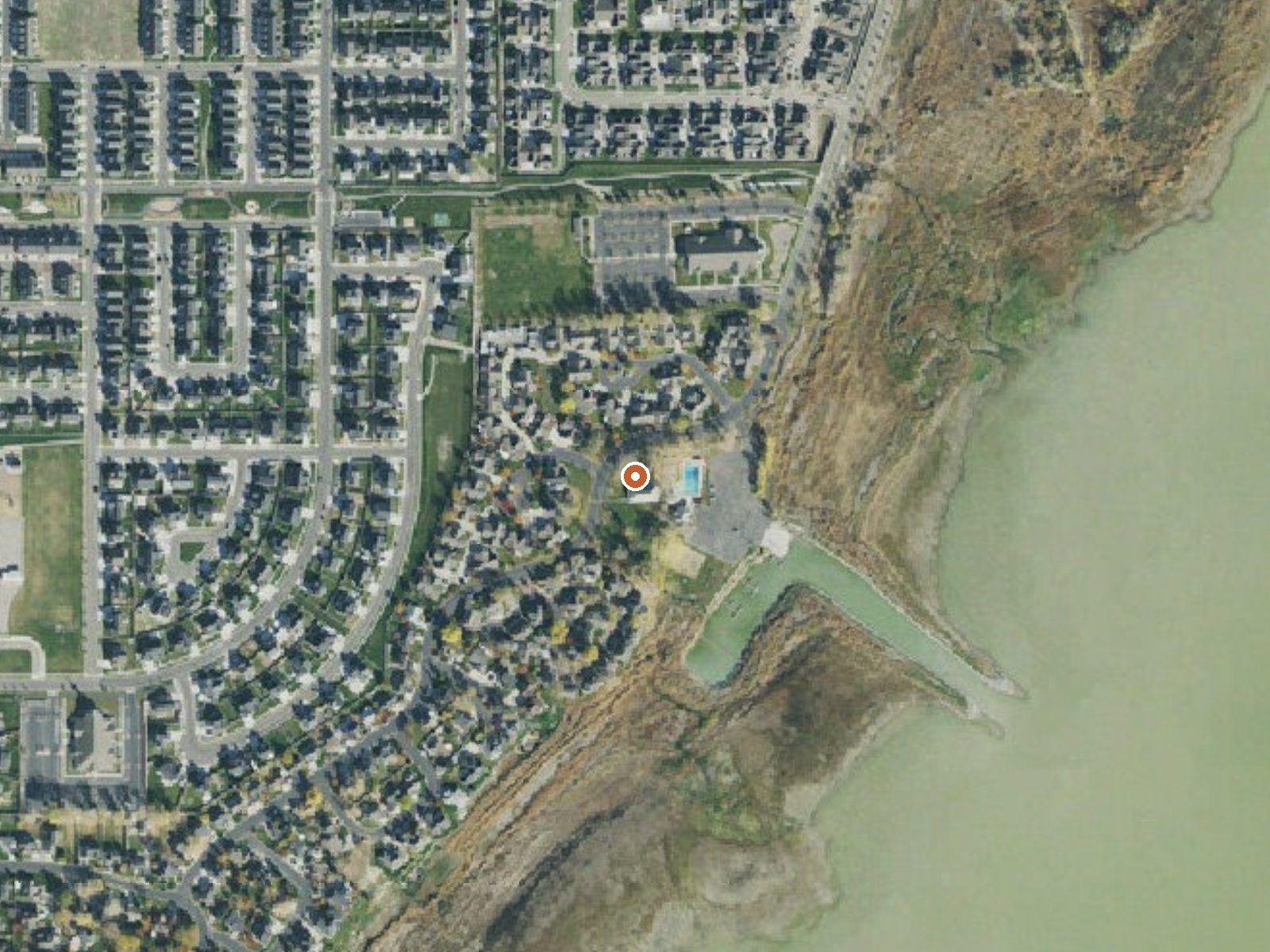
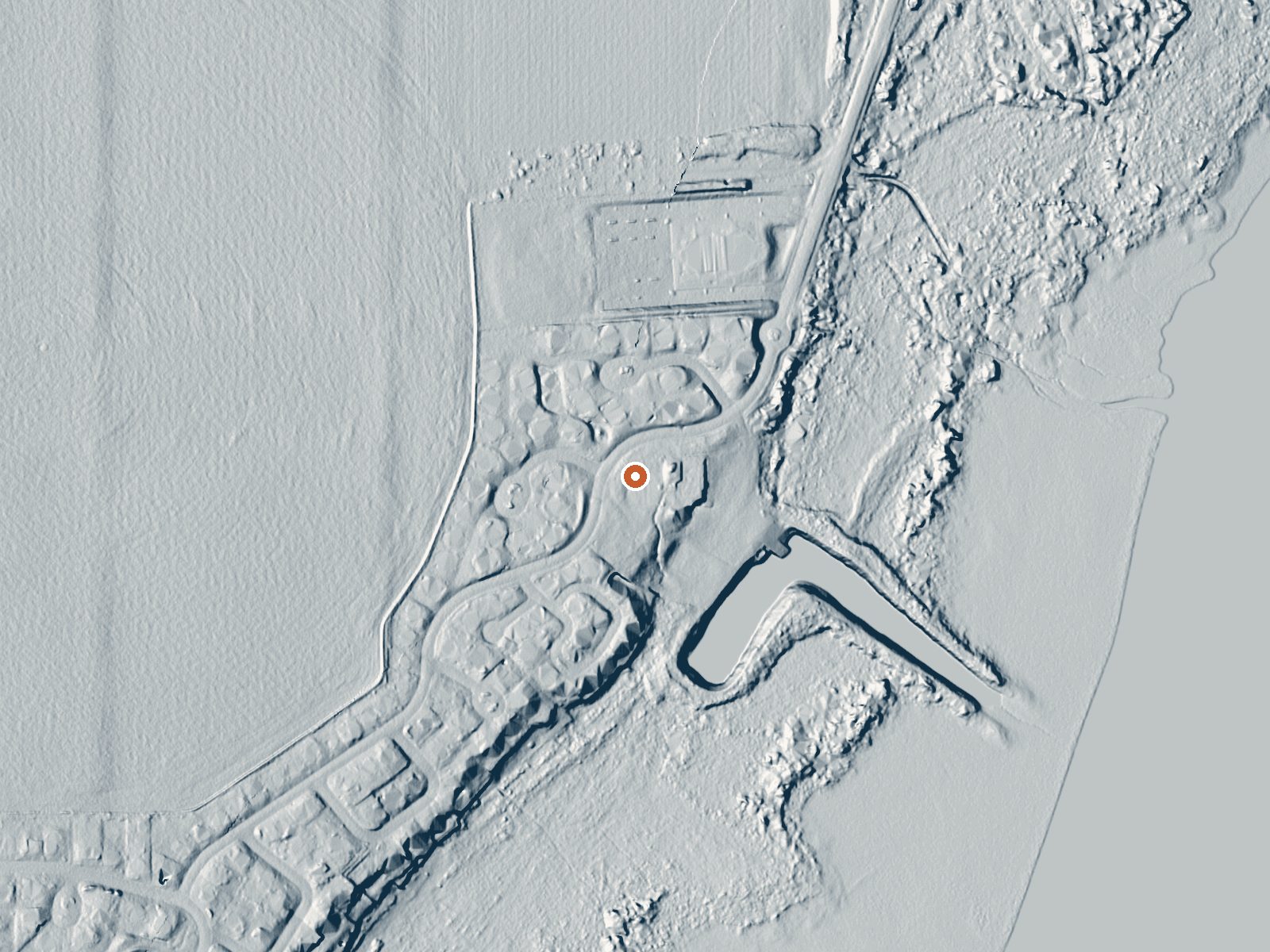
Drag the handle to compare the two views. The orange dot marks the spring, in a frame about three quarters of a mile wide.
- Setting
- Open ground
- Flat, open ground all around.
- Highest ground nearby
- 19 ft above the spring
- Within a quarter mile, to the west
A slice through the ground from west to east, about 0.6 miles end to end.
Elevation data: USGS 3D Elevation Program. Aerial imagery: USGS The National Map. Public domain.
That's about twice the US average of 65. It's higher than at 73% of the springs on this site.
Heat flow measures the warmth working its way up through the ground from deep inside the earth. Where it runs high, rain and snowmelt that seep down through cracks in the rock come back up hot.
See every spring on the geothermal heat map →
Heat flow estimate: Stanford Thermal Earth Model (Aljubran & Horne, 2024), CC BY 4.0.
The water at Saratoga Hot Springs is slightly alkaline (pH 7.5) with 1490 mg/L total dissolved solids. It is notably rich in calcium (may support bone density and joint health), magnesium (known for muscle relaxation and stress relief), and sulfate (traditionally used for skin conditions and inflammation).
Some links are affiliate links. We may earn a commission at no extra cost to you.
Overview Little Mill Campground is located in American Fork Canyon on the banks of American Fork Creek. This popular campground is a great place to escape the hot summer days while hiking or fishing.Recreation American Fork Creek is a favorite among fly-fisherman. The creek is stocked with rainbow trout. The 20-mile paved Alpine Loop Scenic Byway passes the campground, traveling through alpine canyons, mountain meadows, aspen groves and pine forests, providing breathtaking views of the Was...
Saratoga Hot Springs is road-accessible, so you can bring more gear. The water runs hot, so extra hydration is key.




As an Amazon Associate, we earn from qualifying purchases.
Springs Near Saratoga Hot Springs
More Springs Around 111°F
Slightly Alkaline Springs (pH ~7.5)
Hike 6 waterfalls near Saratoga Hot Springs
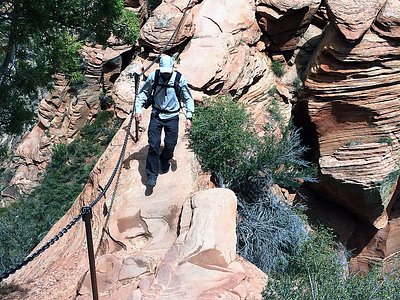
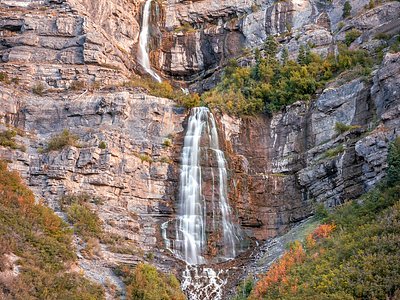
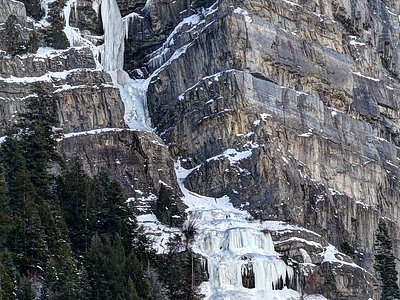
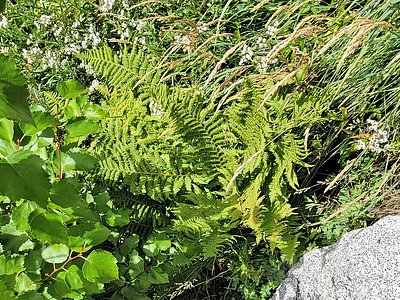
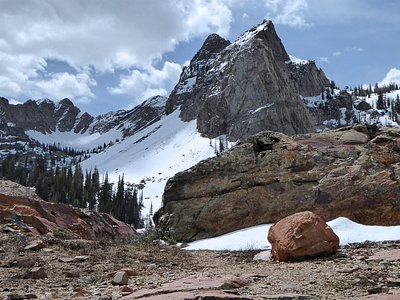
Looking for more outdoor adventures? Explore waterfall hikes near Saratoga Hot Springs, Utah.