Gamma Hot Springs

Snohomish County, Washington · Near Darrington
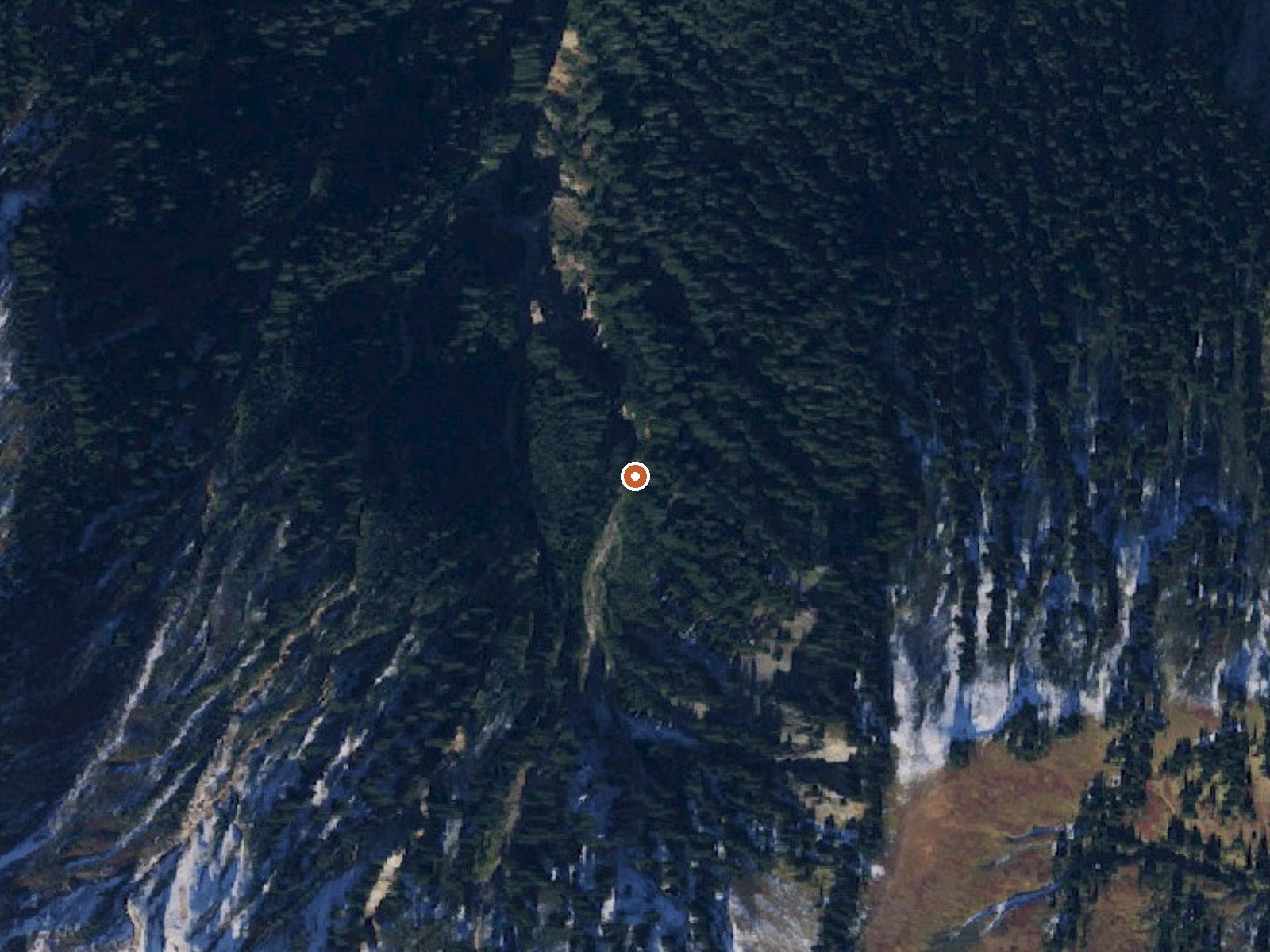
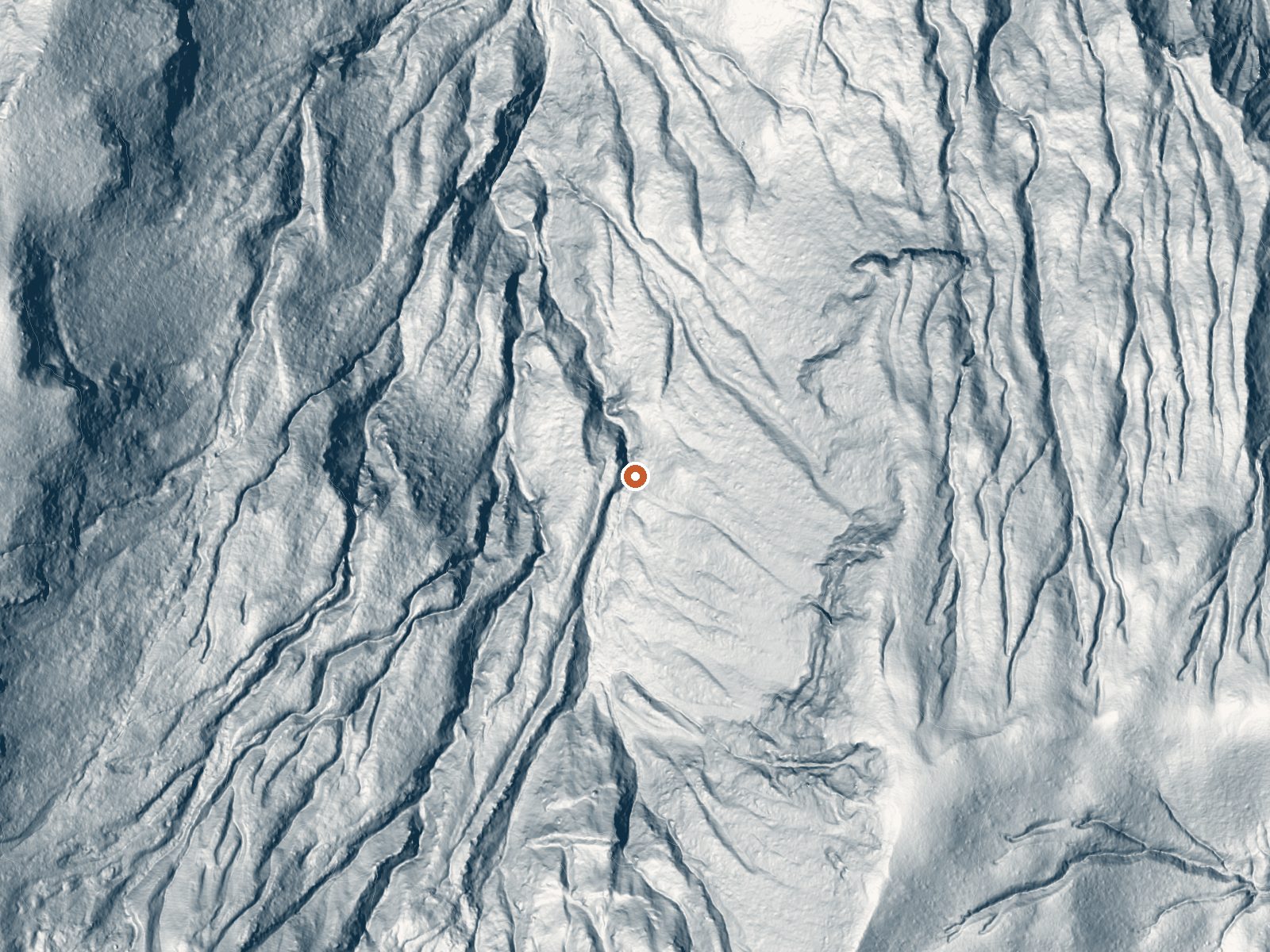
48.1500°N, 121.0620°W · 5,397 ft
140°F 5,397 ft Open Backcountry US Forest Service Camping nearby (9.1 mi)
Very Hot Source — Use Extreme Caution

At 140°F, the source water at Gamma Hot Springs is hot enough to cause burns. Some hot springs this hot have cooler side pools or downstream areas suitable for soaking — always test the water temperature before entering.

Gamma Hot Springs produces 140-degree water at 5,397 feet elevation in the Mt. Baker National Forest, emerging 104.6 degrees above ambient temperature in remote Snohomish County wilderness. This intensely hot spring requires a 14.2-kilometer backcountry journey from Suiattle River Road, placing it among the most remote thermal features in the North Cascades with access limited to experienced wilderness travelers.

Location

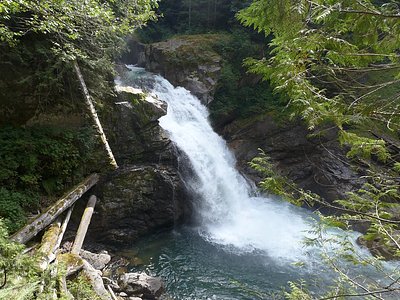
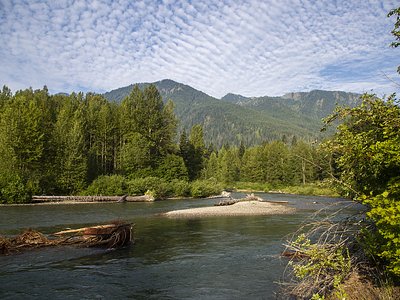
The spring occupies mid-elevation terrain in the heavily glaciated North Cascades, surrounded by old-growth Douglas fir forest transitioning to subalpine vegetation zones. The site experiences extreme precipitation with 85.3 inches of rain and 440.9 inches of snow annually, creating dense forest cover and year-round snow at higher elevations nearby. Glacial streams and steep-sided valleys dominate the landscape, with the Suiattle River system draining westward through some of Washington's most rugged mountain terrain toward Puget Sound lowlands.

Plan visits for late July through September when snowpack melts sufficiently for trail access and creek crossings become manageable. The 14-kilometer approach requires strong backcountry skills, wilderness navigation ability, and appropriate camping gear for multi-day trips. Average annual temperature of 35.4 degrees means freezing conditions occur even in summer at night. The 440.9 inches of annual snow creates serious avalanche hazard during spring. Sulphur Creek Campground 14.7 kilometers away offers primitive camping as a staging point.

History of Gamma Hot Springs

Documentation of Gamma Hot Springs in published sources remains limited, though the name follows the pattern of Greek-letter naming used for other thermal features in the Cascade Range. The spring sits within traditional territories of Upper Skagit peoples, though specific Indigenous knowledge of this particular feature has not been recorded in accessible historical documents. The area saw limited exploration during early Forest Service surveys but remains largely unvisited due to distance and difficulty of access.

Monthly Climate
23°
Jan
22°
Feb
26°
Mar
31°
Apr
39°
May
44°
Jun
53°
Jul
55°
Aug
48°
Sep
36°
Oct
26°
Nov
21°
Dec
Annual Precip: 85.3 in Annual Snow: 440.9 in
Best Time to Visit
February Air 22°F · Water 140°F · +119° contrast
December Air 21°F · Water 140°F · +119° contrast
January Air 23°F · Water 140°F · +117° contrast
February offers 34°F more contrast than August
Current Conditions
48°F
WSW 0.0 mph 91% Good soaking weather
Thursday 51° Low 38° Mostly Sunny 1% precip
Spring is +89° warmer
Friday 48° Low 39° Partly Sunny
Spring is +92° warmer
Saturday 56° Low 36° Sunny
Spring is +84° warmer
Sunday 52° Low 40° Mostly Sunny 1% precip
Spring is +88° warmer
Monday 54° Low 37° Mostly Sunny
Spring is +86° warmer
Where to Stay

Some links are affiliate links. We may earn a commission at no extra cost to you.

Nearby Camping
Sulphur Creek Campground 9.1 mi away

Overview Sulphur Creek Campground is a primitive site in a beautiful forest along the banks of the scenic Suiattle River and Sulpher Creek. It is a remote haven set amongst towering old growth Douglas fir trees in the Mt. Baker-Snoquamie National Forest. Hikers frequently camp here to explore the many trails surrounding the facility. It has moderate, enjoyable summer temperatures throughout the camping season.Recreation The biggest draw to Sulphur Creek Campground is hiking. The well-known...

Reservable Yes
Reserve on Recreation.gov →
Mile-High Advisory 5,397 ft

Gamma Hot Springs sits at 5,397 feet above sea level, way above the mile-high mark. You may not feel the altitude strongly, but hot water still dehydrates you faster at elevation. UV is about 22% stronger than at sea level, so bring sunscreen and drink more water than you normally would.

As an Amazon Associate, we earn from qualifying purchases.

Temperature
140°F
Warm Hot Boiling
Water Temp 140°F (60°C)
Avg Air Temp 35°F
Above Ambient +105°F
Perfect soaking weather May
Access
Open
Road Access Backcountry
Nearest Road Suiattle River Road
Distance to Road 8.8 mi
Land
Ownership Federal
Agency US Forest Service
Designation National Forest
Unit Mt. Baker National Forest
Manager US Forest Service
Protection 3 - Protected, subject to extractive use
Frequently Asked Questions
What is the water temperature at Gamma Hot Springs?
Gamma Hot Springs has a water temperature of 140°F (60°C). This is considered a hot spring, well above body temperature.
Where is Gamma Hot Springs located?
Gamma Hot Springs is located in Snohomish County, Washington at 5,397 feet elevation, near Darrington. Coordinates: 48.1500°N, 121.0620°W.
How do I get to Gamma Hot Springs?
Gamma Hot Springs has Backcountry road access, with the nearest road being Suiattle River Road (8.8 mi from the road).
Is Gamma Hot Springs free to visit?
Gamma Hot Springs has Open access. It is managed by US Forest Service.
Can I camp near Gamma Hot Springs?
Yes, Sulphur Creek Campground is located nearby (9.1 miles away).
Is it safe to soak at Gamma Hot Springs?
At 140°F, Gamma Hot Springs is hot enough to require caution. Enter slowly, limit soaking sessions to 15–20 minutes, and stay hydrated. Always tell someone your plans before visiting remote hot springs.
Is Gamma Hot Springs crowded?
Gamma Hot Springs requires a hike or off-road travel, which naturally limits crowds. You'll generally find fewer visitors on weekdays and outside peak season.
What should I bring to Gamma Hot Springs?
Essentials for Gamma Hot Springs: swimsuit, towel, water bottle, sturdy footwear for the approach, warm layers for before and after soaking, camping gear, a trash bag to pack out what you pack in. The water is over 110°F — test the temperature before entering and watch for scalding near the source.
Sources: OpenStreetMap