Squaw Hot Springs

Franklin County, Idaho · Near Preston
42.1190°N, 111.9280°W · 4,480 ft
163°F 4,480 ft Short Walk Camping nearby (11.2 mi)
Very Hot Source — Use Extreme Caution

At 163°F, the source water at Squaw Hot Springs is hot enough to cause burns. Some hot springs this hot have cooler side pools or downstream areas suitable for soaking — always test the water temperature before entering.

Squaw Hot Springs near Preston pushes water to the surface at 163 degrees Fahrenheit, a full 114.7 degrees above ambient air temperature, making it one of southeastern Idaho's most thermally intense features. The water carries 9,180 mg/L of total dissolved solids, heavily dominated by sodium and chloride.

Location

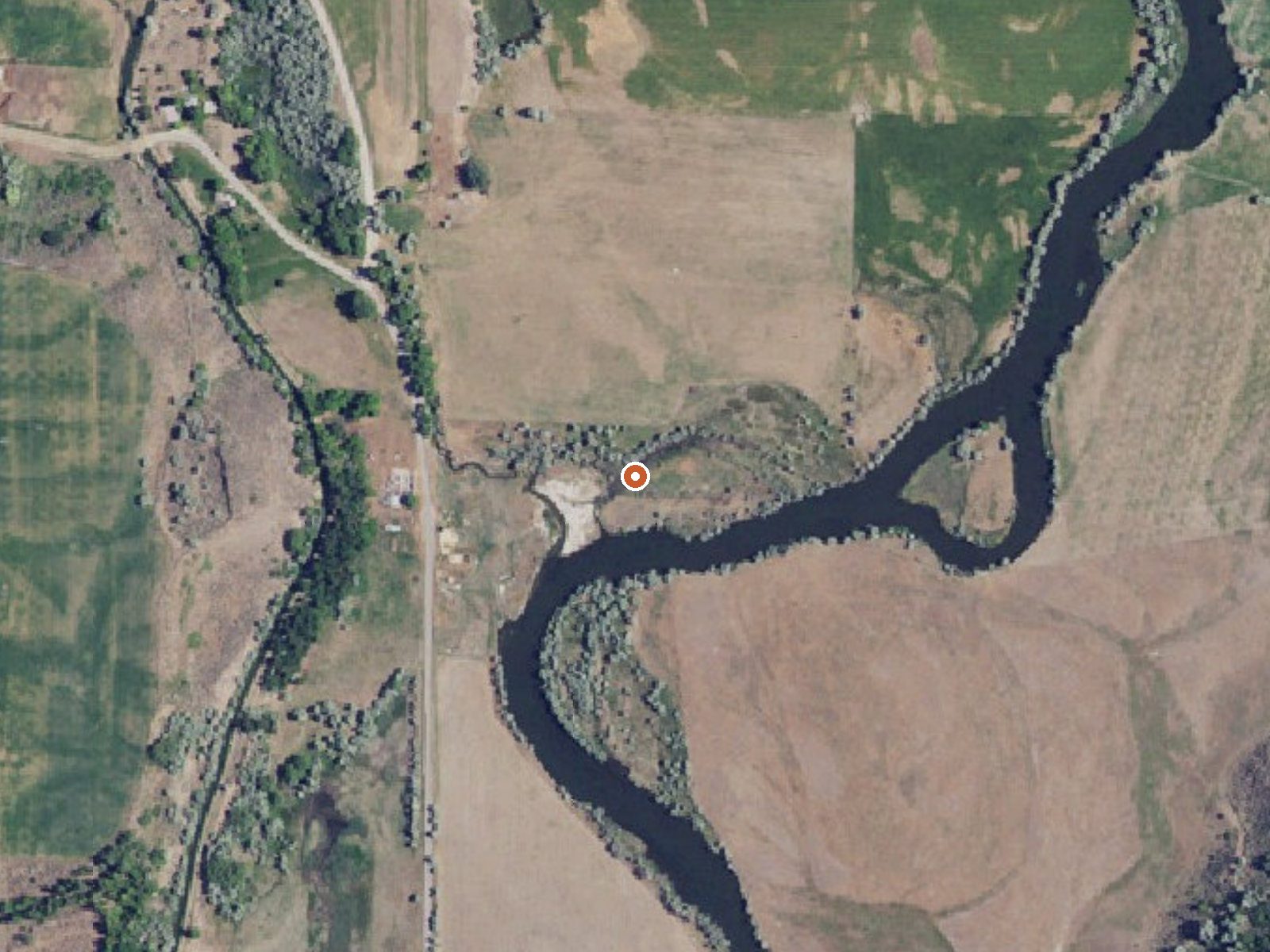
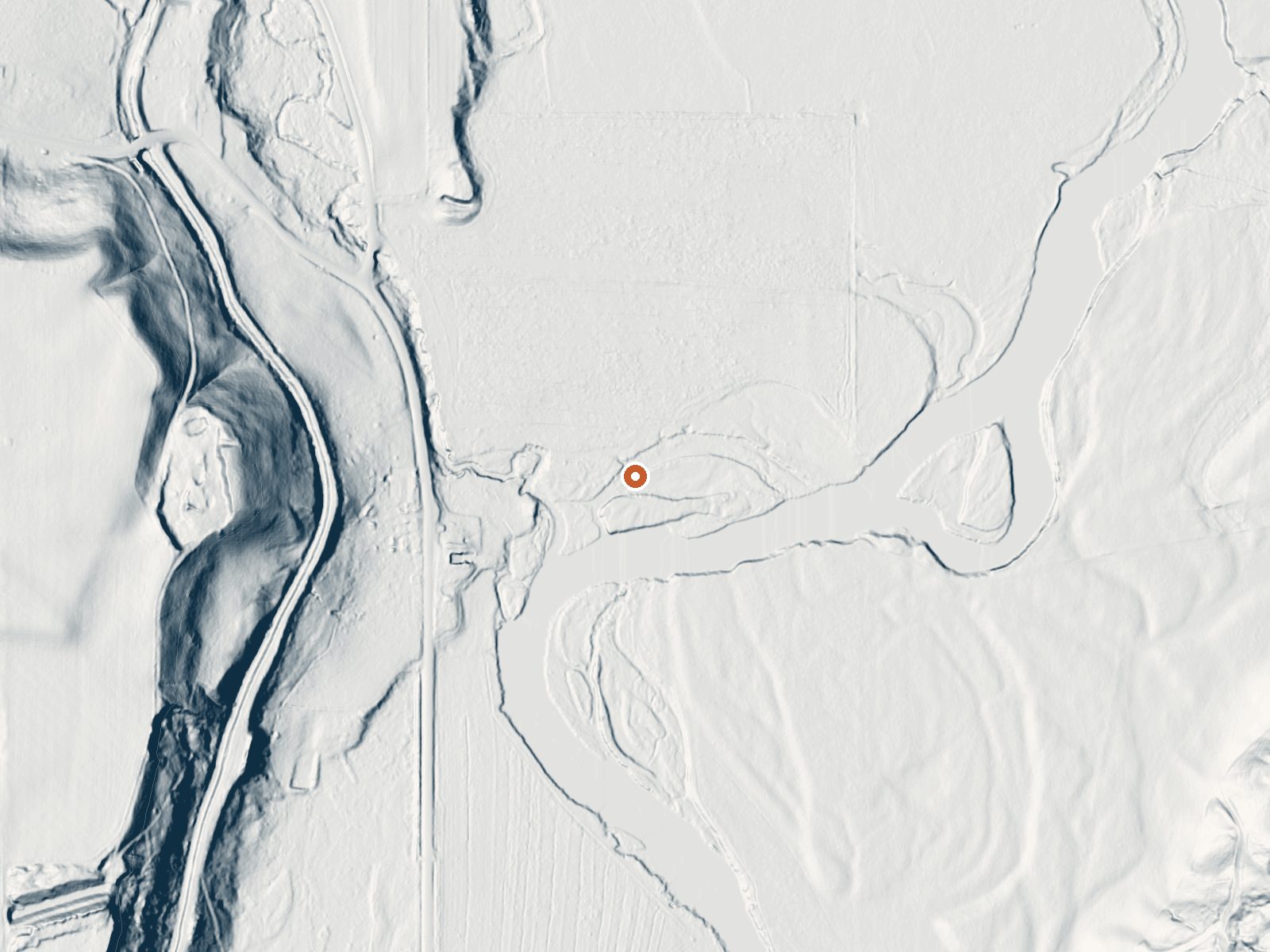
A short walk of roughly 650 feet from North 2200 West road leads to where this spring emerges at 4,480 feet elevation in Franklin County. The water is unmistakably mineral-rich, with 5,400 mg/L of chloride and 3,100 mg/L of sodium creating a chemistry closer to seawater than typical mountain springs. At neutral pH of 7.0, the spring flows at 3 cubic feet per second, depositing minerals along its outflow channel. The surrounding landscape is open and semi-arid, receiving just 19 inches of precipitation annually.

This is an observation site, not a soaking destination. Water at 163 degrees causes severe burns on contact. Approach carefully and stay on established paths near the outflow channels. The short walk from the road is straightforward. Third Creek Group Campground sits about 11 miles away near Malad for those exploring the area. The spring is on undeveloped land, so bring water and supplies.

History of Squaw Hot Springs

This spring's extreme chemistry and temperature point to deep circulation through ancient sedimentary formations rich in evaporite minerals. The high sodium-chloride signature suggests the water contacts buried salt deposits before rising along faults to the surface. USGS monitoring has confirmed temperatures around 77 degrees Celsius. The Bear River region of southeastern Idaho holds several high-temperature features, products of the same tectonic forces that created the nearby Wasatch Range.

Monthly Climate
23°
Jan
28°
Feb
38°
Mar
45°
Apr
55°
May
67°
Jun
76°
Jul
74°
Aug
64°
Sep
49°
Oct
36°
Nov
24°
Dec
Annual Precip: 19.0 in Annual Snow: 49.1 in
Best Time to Visit
January Air 23°F · Water 163°F · +140° contrast
December Air 24°F · Water 163°F · +139° contrast
February Air 28°F · Water 163°F · +135° contrast
January offers 53°F more contrast than July
Current Conditions
71°F
SSE 29.0 mph 26% Good soaking weather
This Afternoon 72° Low 37° Mostly Sunny 1% precip
Spring is +91° warmer
Friday 74° Low 37° Sunny
Spring is +89° warmer
Saturday 71° Low 38° Sunny
Spring is +92° warmer
Sunday 78° Low 43° Sunny
Spring is +85° warmer
Monday 86° Low 45° Sunny
Spring is +77° warmer
Water Chemistry Sampled 1972-05-09

The water at Squaw Hot Springs is neutral (pH 7.0) with 9180 mg/L total dissolved solids. It is notably rich in calcium (may support bone density and joint health), sodium (supports circulation and skin hydration), and chloride (natural antiseptic with skin health benefits).

pH 7.0 Neutral
pH influences mineral absorption through skin
Higher mineral concentration for therapeutic soaking
Calcium 160 mg/L
May support bone density and joint health
Magnesium 16 mg/L
Known for muscle relaxation and stress relief
Sodium 3,100 mg/L
Supports circulation and skin hydration
Sulfate 50 mg/L
Traditionally used for skin conditions and inflammation
Chloride 5,400 mg/L
Natural antiseptic with skin health benefits
Where to Stay

Some links are affiliate links. We may earn a commission at no extra cost to you.

Nearby Camping
Third Creek Group Site 11.2 mi away

Overview Third Creek Group Campground is located just 12 miles northeast of Malad, Idaho, on the Weston Highway near Deep Creek Reservoir. Visitors enjoy exploring the local trail system and fishing at Deep Creek.Recreation Third Creek Trailhead is adjacent to the campground, complete with hitching racks for horses. It accesses the Oxford Peak Trail System and is open to hikers, bikers, motorcyclists and off-road vehicle users as well. Deep Creek Reservoir offers good trout, as well as boati...

Reservable Yes
Reserve on Recreation.gov →
Temperature
163°F
Warm Hot Boiling
Water Temp 163°F (73°C)
Avg Air Temp 48°F
Above Ambient +115°F
Great soaking conditions May
Access
Road Access Short Walk
Nearest Road North 2200 West
Distance to Road 0.1 mi
Frequently Asked Questions
What is the water temperature at Squaw Hot Springs?
Squaw Hot Springs has a water temperature of 163°F (73°C). This is considered a hot spring, well above body temperature.
Where is Squaw Hot Springs located?
Squaw Hot Springs is located in Franklin County, Idaho at 4,480 feet elevation, near Preston. Coordinates: 42.1190°N, 111.9280°W.
How do I get to Squaw Hot Springs?
Squaw Hot Springs has Short Walk road access, with the nearest road being North 2200 West (0.1 mi from the road).
Can I camp near Squaw Hot Springs?
Yes, Third Creek Group Site is located nearby (11.2 miles away).
What minerals are in the water at Squaw Hot Springs?
Water chemistry analysis shows the presence of pH, Total Dissolved Solids, Calcium, Magnesium, Sodium, Sulfate, Chloride. The pH is 7.0 (neutral). Total dissolved solids measure 9,180 mg/L.
Is it safe to soak at Squaw Hot Springs?
The water at Squaw Hot Springs reaches 163°F, which can cause severe burns. Do not enter the source pool directly — look for cooled side pools or downstream areas where the water has cooled to a safe temperature. Access may be on private land or unconfirmed — verify current conditions before visiting. Always tell someone your plans before visiting remote hot springs.
Is Squaw Hot Springs crowded?
Squaw Hot Springs sees varying levels of visitors depending on the season and day of the week.
What should I bring to Squaw Hot Springs?
Essentials for Squaw Hot Springs: swimsuit, towel, water bottle, camping gear, a trash bag to pack out what you pack in. The water is over 110°F — test the temperature before entering and watch for scalding near the source.
Sources: USGS NWIS