Gancheff Spring
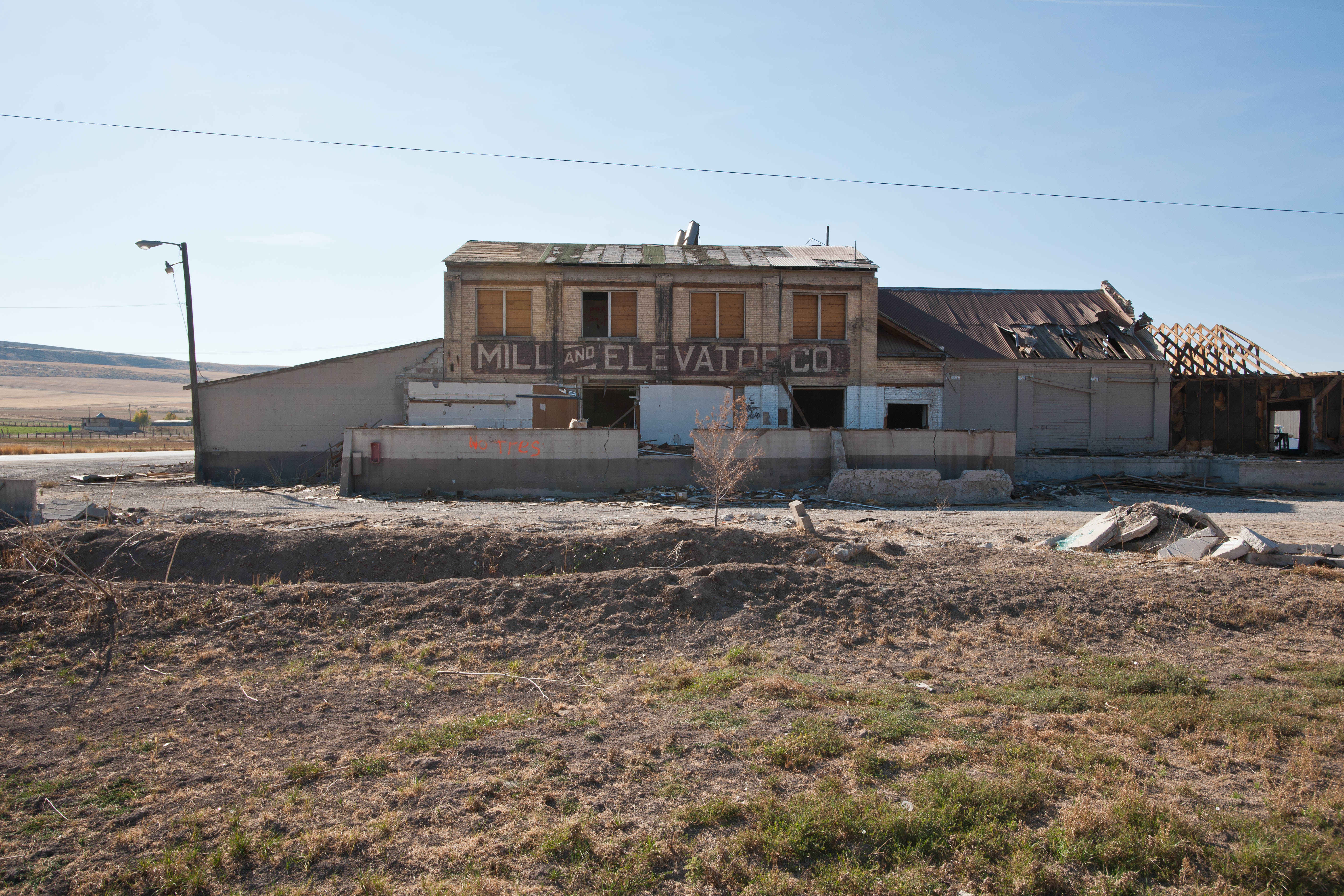
Gancheff Spring is a warm spring in Cache County, five miles or so from Lewiston. The water runs warm, a few degrees shy of body temperature, and carries a heavy mineral load. Nothing on file says who owns the land or whether visitors are welcome. A photo is on record.
The spring is roadside, about fifty feet from the pavement, at valley elevation in Cache Valley. Lewiston is the nearest town in the listing. No land unit or designation is recorded. Winter snowfall runs around four feet, and the area gets moderate precipitation spread across the year.
December through February are the listed months. Tony Grove Day Use is the nearest listed camping, about sixteen miles away. Access is the open question; find out before you visit. The chemistry sample dates to January 1968, and the temperature on file comes from the same era, so expect some drift.
Aircraft with laser scanners measured this ground to within inches. The scan strips out trees and buildings, leaving the bare shape of the land around Gancheff Spring.
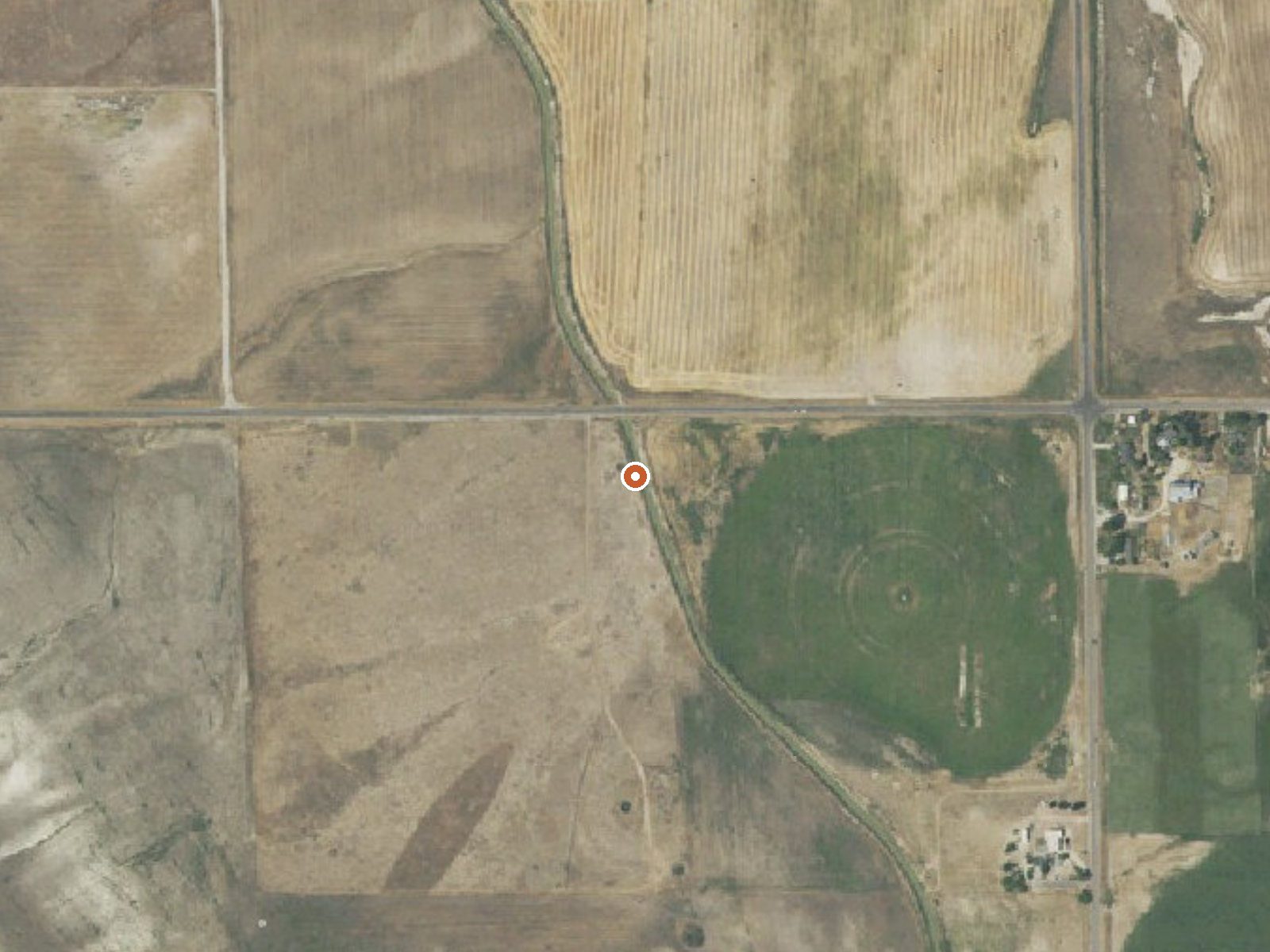
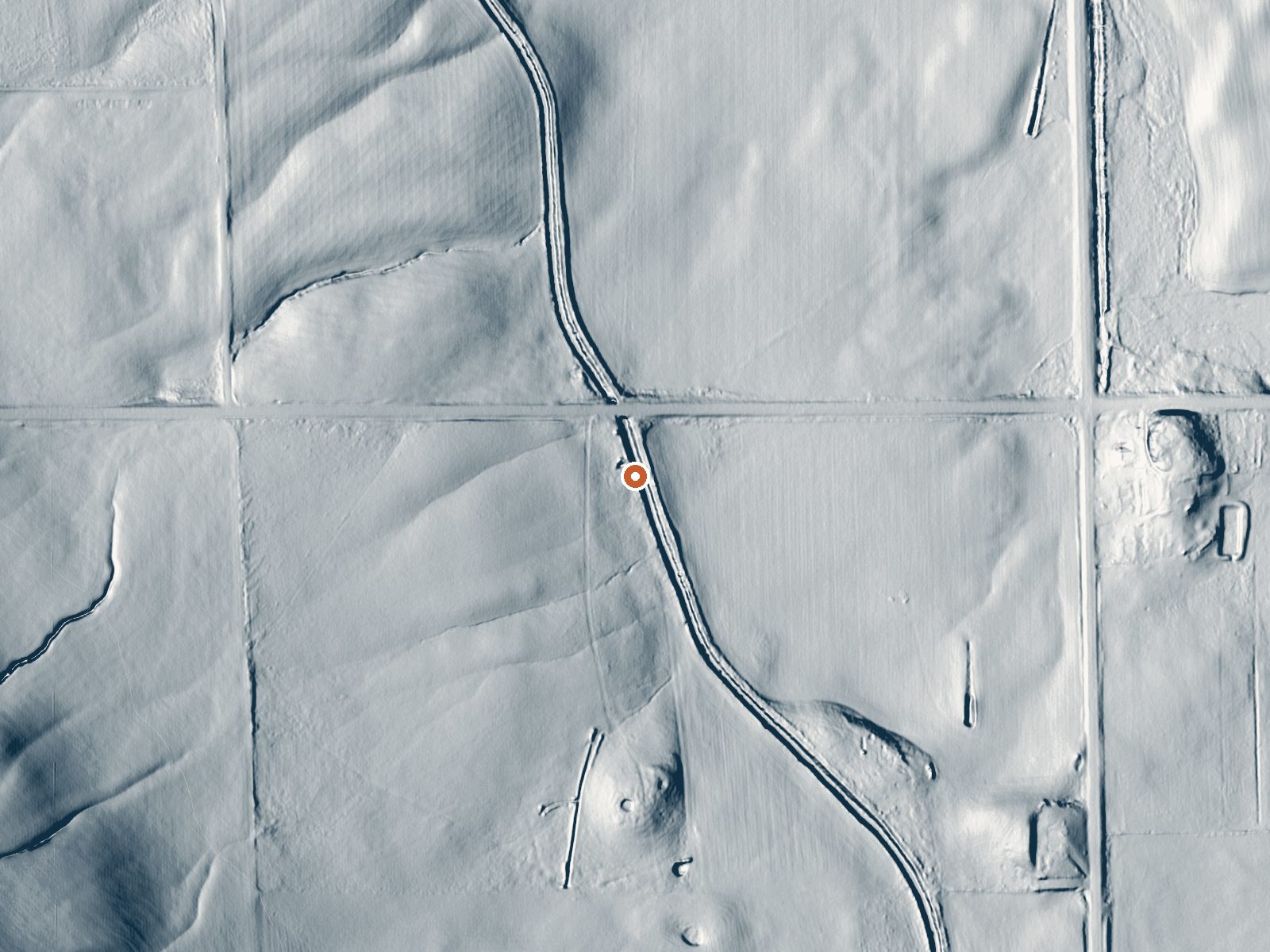
Drag the handle to compare the two views. The orange dot marks the spring, in a frame about three quarters of a mile wide.
- Setting
- Open ground
- Flat, open ground all around.
- Highest ground nearby
- 72 ft above the spring
- Within a quarter mile, to the west
A slice through the ground from west to east, about 0.6 miles end to end.
Elevation data: USGS 3D Elevation Program. Aerial imagery: USGS The National Map. Public domain.
That's about 1½ times the US average of 65. It's higher than at 40% of the springs on this site.
Heat flow measures the warmth working its way up through the ground from deep inside the earth. Where it runs high, rain and snowmelt that seep down through cracks in the rock come back up hot.
See every spring on the geothermal heat map →
Heat flow estimate: Stanford Thermal Earth Model (Aljubran & Horne, 2024), CC BY 4.0.
The water at Gancheff Spring is slightly alkaline (pH 7.7) with 4530 mg/L total dissolved solids. It is notably rich in calcium (may support bone density and joint health), magnesium (known for muscle relaxation and stress relief), and sodium (supports circulation and skin hydration).
Some links are affiliate links. We may earn a commission at no extra cost to you.
Overview Tony Grove Campground is situated on the mountainside above beautiful Tony Grove Lake, about 19 miles east of Logan, Utah, at an elevation of 8,100 feet. This scenic area is known for its vivid summer wildflowers and excellent trails. Recreation Tony Grove Lake provides great fishing and canoeing opportunities. A self-guided nature trail circles the lake. Numerous additional hiking trails set off from the day-use site at the lake, accessing the Mount Naomi Wilderness. The popular 4.5...
Gancheff Spring is road-accessible, so you can bring more gear.





As an Amazon Associate, we earn from qualifying purchases.