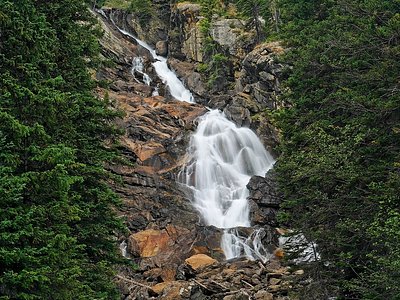
Jackson Lake Hot Springs
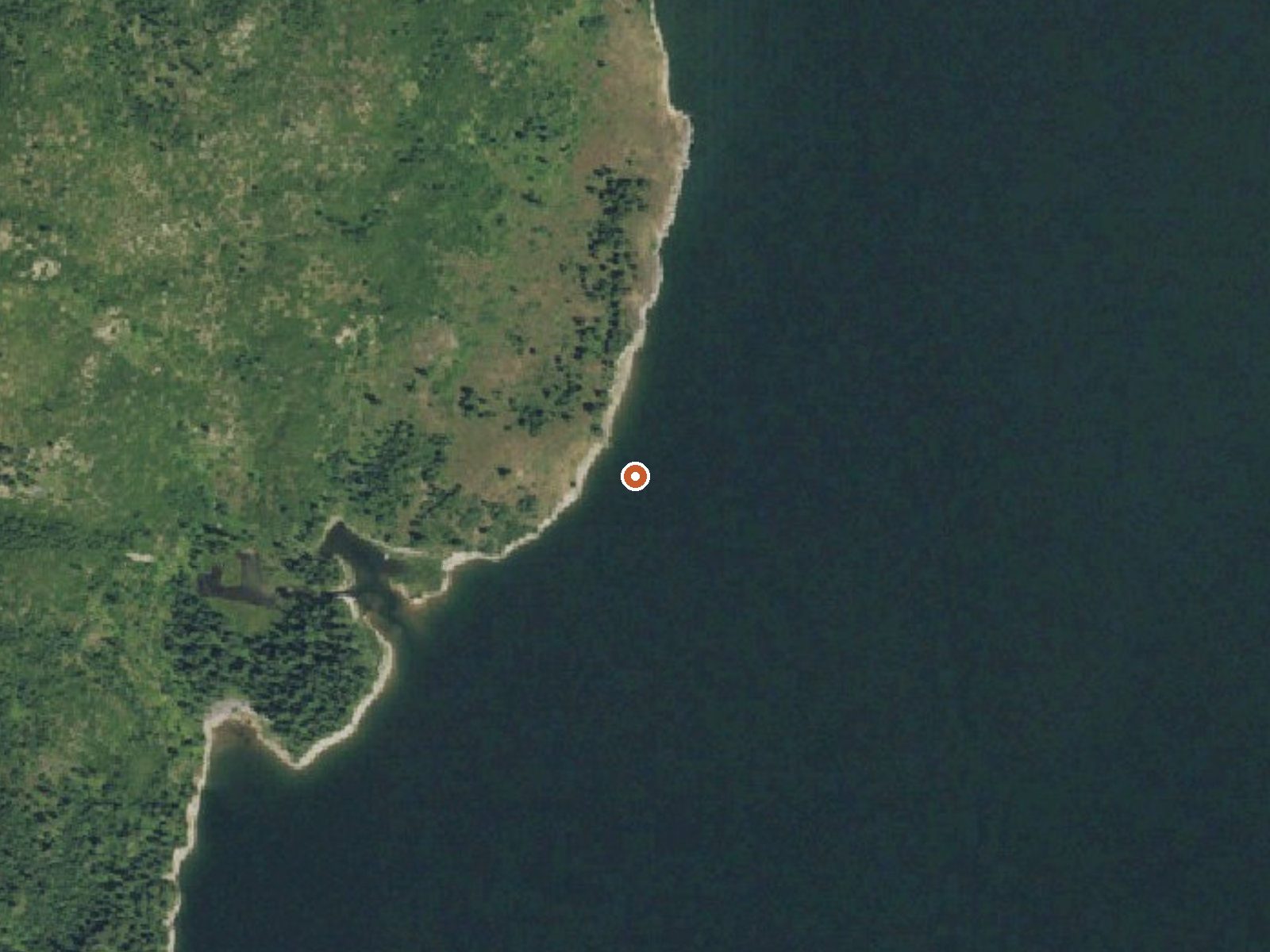
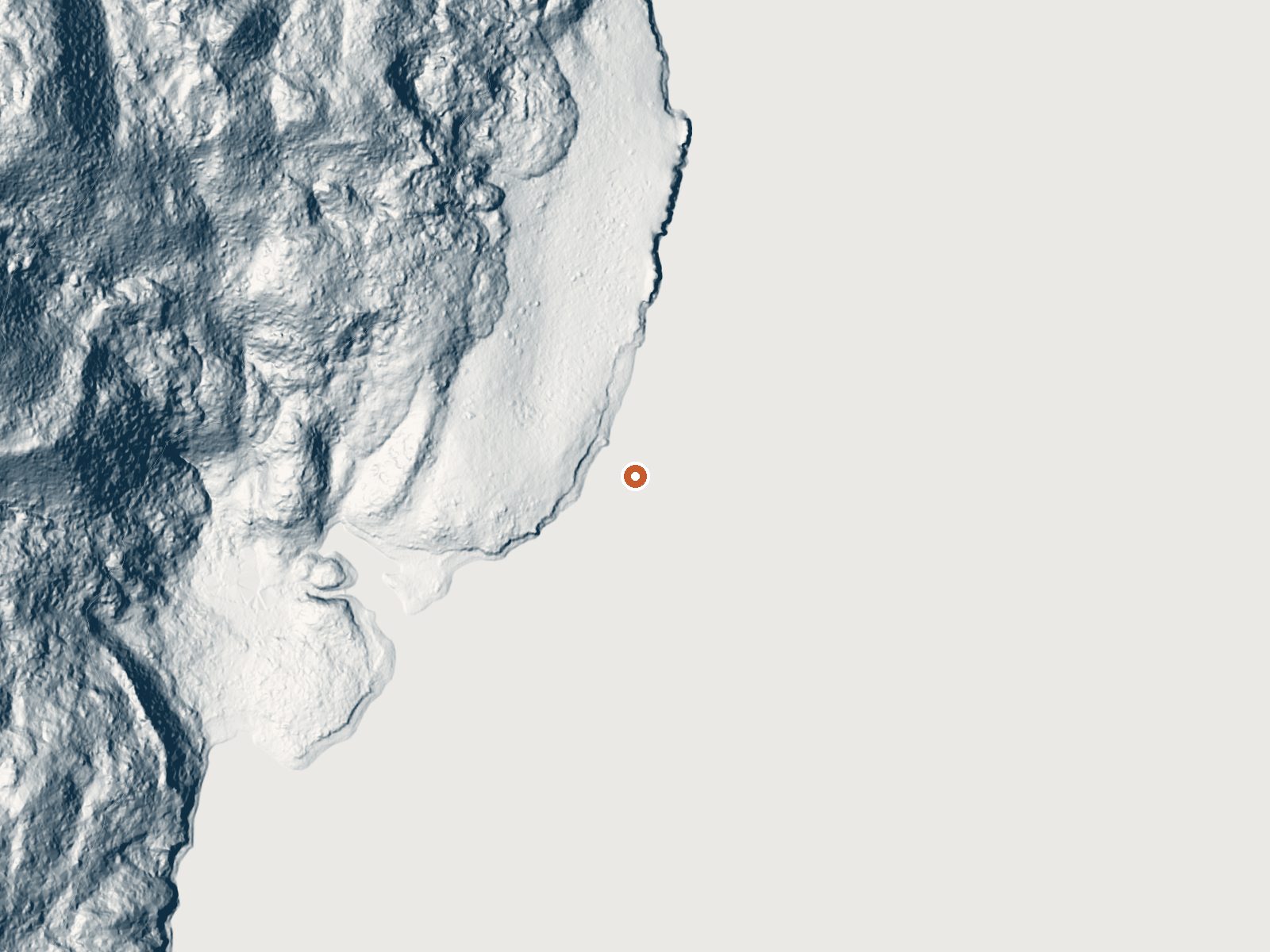
Teton County, Wyoming · Near Moose Wilson Road
43.9580°N, 110.6960°W · 6,748 ft
162°F 6,748 ft Open Hike National Park Service Camping nearby (3.2 mi)
Very Hot Source — Use Extreme Caution

At 162°F, the source water at Jackson Lake Hot Springs is hot enough to cause burns. Some hot springs this hot have cooler side pools or downstream areas suitable for soaking — always test the water temperature before entering.

Jackson Lake Hot Springs emerges at 162 degrees Fahrenheit along Jackson Lake's northwestern shore in Grand Teton National Park at 6,748 feet elevation. Located two miles from Lakeview Picnic Area via trail, the spring exceeds ambient temperature by 123 degrees in terrain receiving 170 inches of annual snowfall. This represents one of few thermal features in Grand Teton's otherwise non-geothermal landscape.

Location
0 miles from Moose Wilson Road, WY

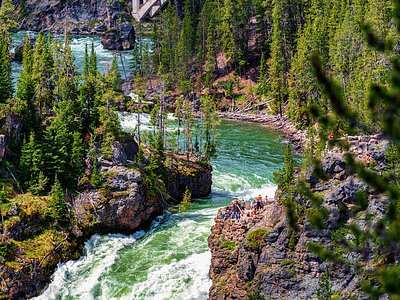
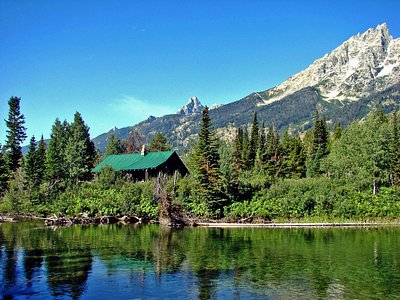
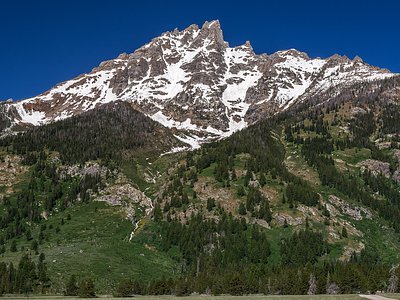
The spring occupies Jackson Lake shoreline beneath the northern Teton Range in Teton County. At 6,748 feet, the setting supports lodgepole pine and Douglas fir forest transitioning to lakeshore cottonwood and willow. The area receives 34 inches of precipitation annually with average annual temperature of 39 degrees Fahrenheit, creating long winters where thermal features maintain ice-free zones along the lake. Mount Moran and adjacent peaks rise dramatically above the lake's western shore, with Jackson Lake formed behind Jackson Lake Dam.

Access requires two-mile hike from Lakeview Picnic Area along lakeshore trail. Visit July through September when trail remains snow-free and lake access safe. Carry bear spray in this active grizzly bear habitat and make noise on forested trail sections. Lizard Creek Campground provides reservable camping just five kilometers away with Jackson Lake access and Teton views. Combine visit with Yellowstone exploration 30 miles north.

History of Jackson Lake Hot Springs

Jackson Lake formed naturally during Pleistocene glaciation and was subsequently enlarged by dam construction completed in 1916 for irrigation storage. The hot springs appear in 1980 NOAA thermal surveys, representing unusual geothermal activity this far north of Yellowstone caldera. Indigenous peoples utilized the Jackson Hole area seasonally, and early trappers worked these waters in the 1800s. Grand Teton National Park absorbed Jackson Lake when park boundaries expanded in 1950.

Monthly Climate
20°
Jan
22°
Feb
29°
Mar
34°
Apr
41°
May
52°
Jun
63°
Jul
63°
Aug
54°
Sep
40°
Oct
29°
Nov
20°
Dec
Annual Precip: 34.1 in Annual Snow: 169.7 in
Best Time to Visit
January Air 20°F · Water 162°F · +142° contrast
December Air 20°F · Water 162°F · +142° contrast
February Air 22°F · Water 162°F · +140° contrast
January offers 43°F more contrast than August
Current Conditions
Thursday 57° Low 34° Isolated Rain Showers then Mostly Sunny 19% precip
Spring is +105° warmer
Friday 60° Low 35° Mostly Sunny
Spring is +102° warmer
Saturday 58° Low 39° Sunny 2% precip
Spring is +104° warmer
Sunday 65° Low 34° Sunny
Spring is +97° warmer
Monday 70° Low 40° Sunny
Spring is +92° warmer
Where to Stay

Some links are affiliate links. We may earn a commission at no extra cost to you.

Nearby Camping
Lizard Creek Campground 3.2 mi away

Overview The Lizard Creek Campground is located in the northern portion of Grand Teton National Park (GTNP) and provides a convenient basecamp for campers taking day trips to both Grand Teton and Yellowstone National Parks. This 60-site campground sits on the northern shore of Jackson Lake and offers access to the lake waters and views of the northern Teton Mountain Range. The area is frequented by various park wildlife, large and small as well as a variety of bird species. This Campground i...

Reservable Yes
Reserve on Recreation.gov →
Mile-High Advisory 6,748 ft

Jackson Lake Hot Springs sits at 6,748 feet above sea level, way above the mile-high mark. You may not feel the altitude strongly, but hot water still dehydrates you faster at elevation. UV is about 27% stronger than at sea level, so bring sunscreen and drink more water than you normally would.

As an Amazon Associate, we earn from qualifying purchases.

Temperature
162°F
Warm Hot Boiling
Water Temp 162°F (72°C)
Avg Air Temp 39°F
Above Ambient +123°F
Great soaking conditions May
Access
Open
Road Access Hike
Nearest Road Lakeview Picnic Area
Distance to Road 2.3 mi
Land
Ownership Federal
Agency National Park Service
Designation National Park
Unit Grand Teton National Park
Manager National Park Service
Protection 1 - Permanent protection, natural state
Frequently Asked Questions
What is the water temperature at Jackson Lake Hot Springs?
Jackson Lake Hot Springs has a water temperature of 162°F (72°C). This is considered a hot spring, well above body temperature.
Where is Jackson Lake Hot Springs located?
Jackson Lake Hot Springs is located in Teton County, Wyoming at 6,748 feet elevation, near Moose Wilson Road. Coordinates: 43.9580°N, 110.6960°W.
How do I get to Jackson Lake Hot Springs?
Jackson Lake Hot Springs has Hike road access, with the nearest road being Lakeview Picnic Area (2.3 mi from the road).
Is Jackson Lake Hot Springs free to visit?
Jackson Lake Hot Springs has Open access. It is managed by National Park Service.
Can I camp near Jackson Lake Hot Springs?
Yes, Lizard Creek Campground is located nearby (3.2 miles away).
Is it safe to soak at Jackson Lake Hot Springs?
The water at Jackson Lake Hot Springs reaches 162°F, which can cause severe burns. Do not enter the source pool directly — look for cooled side pools or downstream areas where the water has cooled to a safe temperature. Always tell someone your plans before visiting remote hot springs.
Is Jackson Lake Hot Springs crowded?
Jackson Lake Hot Springs sees varying levels of visitors depending on the season and day of the week.
What should I bring to Jackson Lake Hot Springs?
Essentials for Jackson Lake Hot Springs: swimsuit, towel, water bottle, warm layers for before and after soaking, camping gear, a trash bag to pack out what you pack in. The water is over 110°F — test the temperature before entering and watch for scalding near the source.
Sources: USGS NWIS